
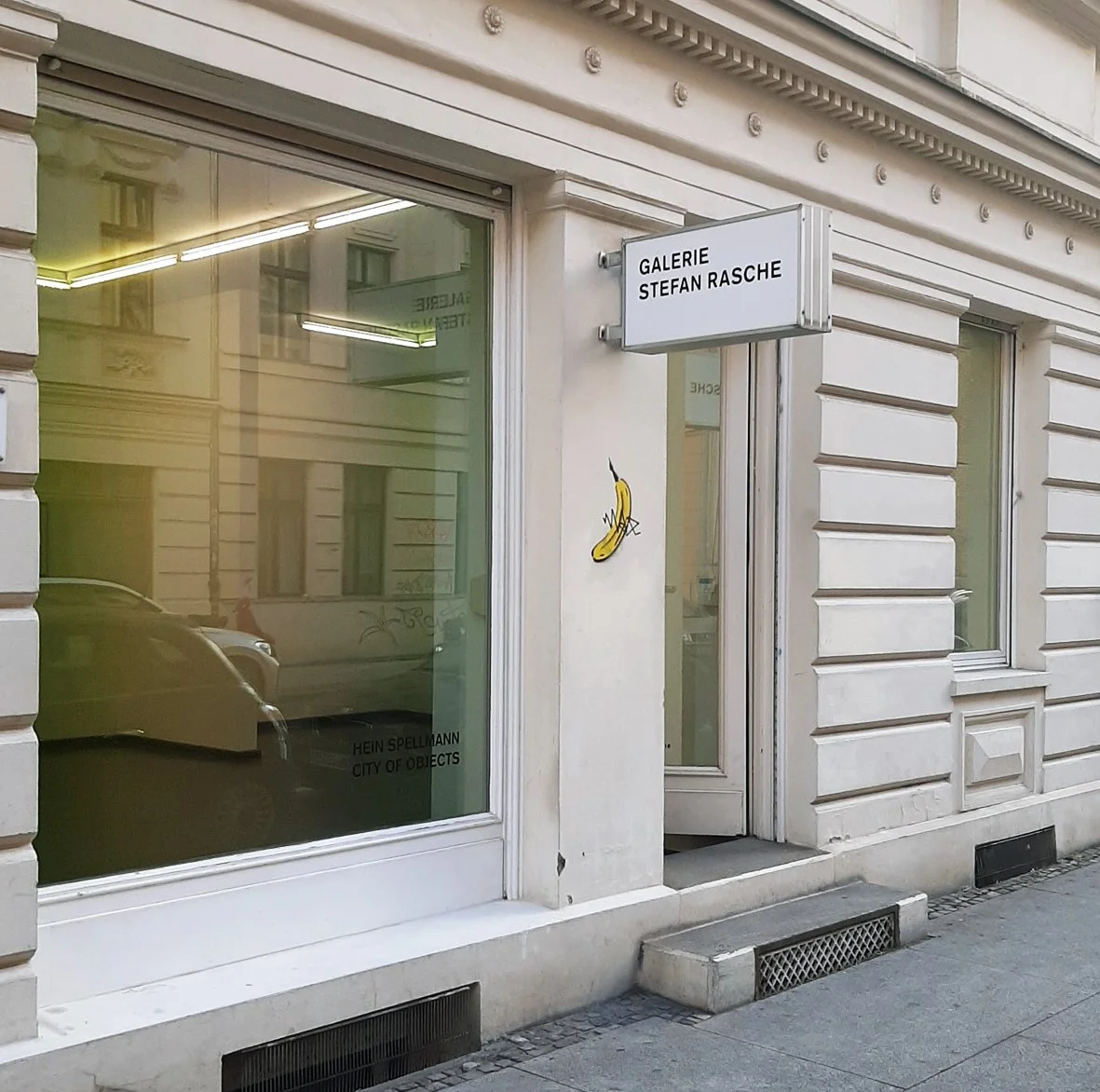
GALERIE STEFAN RASCHE was founded in Münster in 1990. In 2008, the gallery moved to Berlin. Here, Dr. Stefan Rasche and Karin Ripken founded RASCHE RIPKEN and worked together for 17 years. From August 2025, the gallery will operate under its original name again.
The gallery is a place where contemporary art is presented and discussed. It represents a number of outstanding artists working in the genres of painting, sculpture, photography, drawing, and installation. Among its other activities, the gallery regularly participates in art fairs and publishes artist catalogues.
Since 2025, the gallery has also been active in the fine art market, with a focus on figurative works from the pre- and post-war modern period.
____
In all its activities, Galerie Stefan Rasche complies with the principles of the Fair Practice Code (fairpracticecode.nl).
The code
1. The gallery in question records in writing the relationship between the gallery and the artist, including agreements regarding the duration of the agreement, prices and any applicable discounts. Other matters that may be recorded in this document include: monitoring and evaluation of the agreements, both parties’ targets (e.g. regarding international visibility), the relationship with a second gallery, agreements regarding the settlement of any discounts, regarding commissions from third parties, or the settlement of other expenses such as for transport, photography, insurance or the construction of an exhibition.
2. The artist remains the owner of their work until the full amount is paid to the gallery, with the exception of secondary trading. This also applies in the case of gallery bankruptcy or attachment.
3. The gallery shall transfer the full artist’s share of the sales price agreed with the customer within 60 days following the sale of the artist’s work, and provide the artist with the buyer’s name and address details, and a copy of the invoice.
4. Unsold artworks in the charge of the gallery must always be returned to the artist within a month, if requested by the artist.
5. The relationship between galleries may involve competition and rivalry, but in the case of different galleries representing the same artist, the galleries should in all respects remain loyal to the interests of the artist in question. If a gallery exclusively represents an artist, thereby acting as their ‘mother gallery’, and another gallery would like to organise an exhibition with this artist, the involved parties should make written agreements regarding the conditions under which the exhibition can be held (see appendix for a Dutch Gallery Association (NGA) model contract).
6. The gallery is expected to be professional and competent, and to maintain this professionalism and competence.
7. The gallery vouches for the authenticity of the work that they are selling. In the case that a work is adjudged to be fake by a recognised independent party, the customer may return the work to the gallery owner and have the amount paid for the work refunded.
8. A gallery states the following on their website: their objectives, programme, working method and the artists that they represent.
9. A gallery is expected to act in accordance with the Fair Practice Code (fairpracticecode.nl), which includes an assurance against inappropriate behaviour at the gallery and elsewhere.